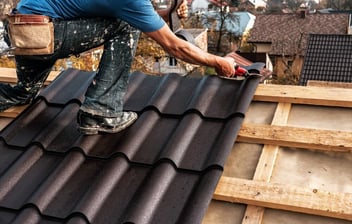

A leaking roof is more than just a minor inconvenience—it can lead to serious structural damage, mold growth, and costly repairs if not addressed quickly. And in Arizona, where scorching sun, monsoon rains, and high winds are common, your roof takes a beating year-round.
Whether you’ve just spotted a water stain on your ceiling or you’re dealing with an active drip during a storm, here’s how to tell if your roof is leaking, what steps to take right away, and how to find out if insurance will cover the damage.
Signs Your Roof Might Be Leaking
Before you see water dripping from the ceiling, there are often subtle clues that your roof has been compromised. Identifying these early signs can help you catch the problem before it worsens:
- Water stains on the ceiling or walls – Often brown or yellow in color, these stains can appear in patches and spread over time.
- Musty odors or mold – Moisture trapped in insulation or drywall can lead to mildew or mold growth, which often brings an unpleasant smell.
- Warped or sagging ceilings – Excess water buildup can weigh down your ceiling, leading to structural sagging or even collapse in extreme cases.
- Shingle damage – Cracked, curled, or missing shingles can leave your roof exposed, especially after a storm.
- Drips in the attic or crawl space – Check your attic after heavy rain; a leak often starts here before becoming visible inside your home.
- Exterior water spots – Water running down exterior walls may signal a roof issue.
In Arizona, these issues are often triggered by rapid temperature changes, heavy winds, or aging roofing materials that are exposed to year-round sun.
What to Do If Your Roof Is Leaking
Once you’ve spotted signs of a roof leak, it’s important to act quickly. Here’s a step-by-step guide to help minimize damage and get your roof fixed as soon as possible:
1. Contain the Leak
Grab buckets, towels, or any large containers to catch dripping water and prevent further damage to your floors or furniture. If the ceiling is bubbling or sagging from pooled water, carefully puncture the lowest point with a screwdriver to let the water drain in a controlled way.
2. Move and Protect Your Belongings
Relocate furniture, rugs, electronics, or valuables away from the leak. If that’s not possible, cover them with plastic tarps or garbage bags to shield them from water damage.
3. Try to Locate the Source (If Deemed Safe)
Water doesn’t always drip straight down from where the leak started. It may travel along rafters, insulation, or drywall before becoming visible. If it’s safe, check your attic or crawl space with a flashlight to see if you can trace the leak’s origin. Avoid going up on the roof yourself—especially during wet or windy conditions.
4. Document the Damage
Take photos of any visible damage—both inside and outside. This includes wet walls, damaged shingles, water-damaged belongings, and any pooling water. These photos will be helpful if you need to file a homeowner’s insurance claim.
5. Call a Professional Roofing Contractor
Don’t attempt major repairs yourself. Contact a licensed, local roofing contractor like Paragon Contracting for a thorough inspection. We’ve handled leaky roof repair jobs all across Arizona and know how to fix the problem at the source. Whether it’s a small repair or a full roof replacement, we’ll give you a detailed report and walk you through your options.
How to Temporarily Fix a Leaking Roof From the Inside
If you can’t get a roofer out right away, you can usually slow a leak from the attic. These are stopgap fixes to limit damage until a professional can repair the roof properly. They aren’t a permanent repair.
Find the wet spot. With a flashlight, go into the attic during or just after the rain. Look for wet decking, dark stains or dripping water, then trace it uphill. Water often runs along rafters before it drips, so the entry point is usually higher than the stain on your ceiling. Step only on the joists, never on the insulation or drywall between them.
Catch the water. Set a bucket or plastic container under the drip, with a piece of plywood under it if it’s resting between joists. Move wet insulation away so it doesn’t hold moisture against the ceiling.
Patch the decking. If you can see the hole or crack, dry the area as much as you can and apply roofing cement over it with a putty knife. For a larger gap, press a scrap of plywood or a shingle into the cement and seal its edges with more cement.
Seal around penetrations. If water is coming in around a vent pipe, nail or other penetration, a bead of roofing sealant around it can slow the leak.
Mark the spot for your roofer. Measure the leak’s distance from a wall or the roof peak and take a photo. That helps a roofer find the matching spot on the outside quickly.
Keep electrical safety in mind. If water is near light fixtures, wiring or junction boxes, turn off power to that area at the breaker before you go near it. And once the weather clears, have the roof inspected. An inside patch doesn’t fix damaged shingles, flashing or underlayment on the outside, and those are what let the water in.
Will Insurance Cover the Cost of a Roof Leak?
Homeowners often ask: "Is a leaky roof covered by insurance?" The answer is - it depends.
Most homeowners insurance policies will cover roof leaks that are caused by sudden, accidental events, such as:
- Storm or wind damage
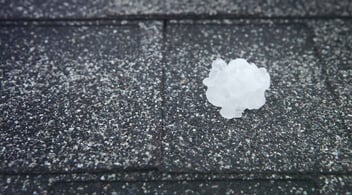
- Hail impact
- Falling tree limbs or debris
- Fire
However, if the leak is the result of wear and tear, age, or lack of maintenance, it likely won’t be covered. That’s why regular inspections and prompt repairs are so important—especially in Arizona’s tough climate.
Here’s what to do if you think you’re covered:
→ File your claim promptly – Most policies require damage to be reported quickly after the event.
→ Gather documentation – Submit the photos and any notes you took when the leak occurred.
→ Work with a trusted contractor – Paragon Contracting can provide a detailed inspection report and help communicate directly with your insurance provider to support your claim.
Protect Your Home with Expert Roof Repair Contractors
No one wants to deal with a leaking roof—but the sooner you take action, the easier it is to minimize damage and avoid long-term issues. Whether you’re seeing early signs of a problem or dealing with active water damage, we’re here to help.
We offer professional, fast, and reliable roof inspections and repairs across Arizona. Our team is GAF-certified and we’re happy to work with you every step of the way—including help with insurance claims if needed.
Think your roof needs to be repaired? Don’t wait. Schedule an inspection today and let our experts handle it before the next storm hits.
Frequently Asked Questions
Can you fix a leaking roof from the inside?
You can slow it down from the inside with roofing cement, a patch over the hole, and a bucket to catch the water. It’s only a temporary fix, though. The real repair has to happen on the outside of the roof, where the water is getting in.
How long can a temporary roof leak patch last?
Usually days to a few weeks, depending on the size of the leak and the weather. Treat it as a way to buy time until a roofer can repair the source.
Why is my ceiling stain not directly under the leak?
Water often runs along rafters, decking or pipes before it drips, so it can show up several feet from where it entered. That’s why tracing it from the attic is the best way to find the source.
Should I go on the roof to find a leak?
No. Wet or windy conditions make roofs slippery and dangerous. Check from the attic and let a professional inspect the outside.
Is it an emergency if my roof is leaking?
A steady leak, a sagging ceiling, or water near electrical fixtures should be treated as urgent. Contain the water, turn off power to the area if needed, and call a roofer as soon as you can.